Trying My Best, Christmas Cat
A Cheerful, Handmade Vibe—Right Out of the Hoop
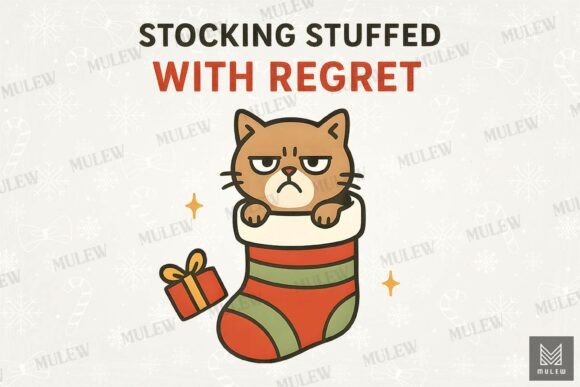
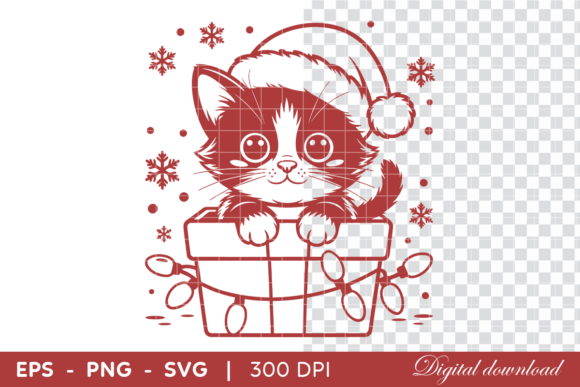
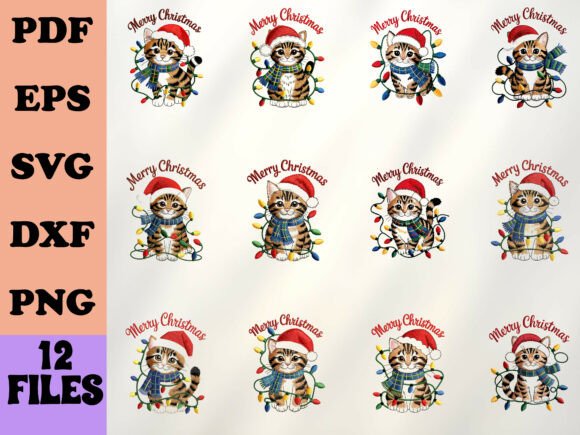
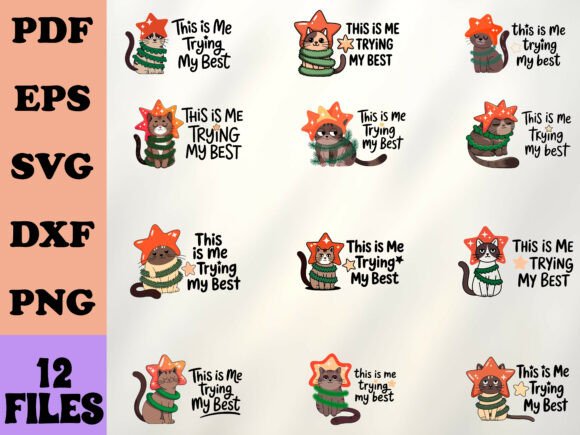
First impression? Trying My Best, Christmas Cat lands with warmth—not cloying sweetness, not forced whimsy, but the kind of gentle, slightly lopsided charm you’d find on a handmade holiday card drawn by someone who loves cats and believes in joyful imperfection. The cat’s pose is relaxed, paws tucked, tail curled just so, with soft rounded shapes and clean outlines that suggest ease—not complexity. It’s not overloaded with detail, which is exactly why it works so well as a machine embroidery design. This isn’t a portrait; it’s a friendly motif, one that invites stitching, not intimidation.
Where It Shines: Real Projects, Real People
Last week, I stitched Trying My Best, Christmas Cat onto a natural linen tea towel for a local boutique’s holiday pop-up. No fancy applique, no layered fills—just a single-color satin stitch outline with a subtle fill stitch body, sized to 3.2 inches wide. It held up beautifully: crisp corners, even tension, and zero puckering. That’s the quiet strength of this design—it’s built for clarity, not clutter. I’ve also tested it on midweight cotton sweatshirts (with tear-away + cutaway stabilizer), baby onesies (lightweight cutaway, low-tension settings), and twill patches for aprons. In every case, the proportions stayed balanced, and the facial expression remained legible—even at 2.5 inches tall.
It’s especially effective on products where personality matters more than precision: embroidered tote bags for small shop merch, pillow covers for nursery decor, or personalized gifts where the recipient smiles before they even read the text. As an Etsy seller myself, I appreciate how easily Trying My Best, Christmas Cat translates into a cohesive holiday collection—pair it with simple “Merry & Bright” lettering or use it solo on a cream-colored kitchen towel. It reads as handmade without demanding expert-level digitizing finesse.
Where to Pause—and Test First
This isn’t a one-size-fits-all embroidery file. On highly textured fabrics like bouclé or thick terry cloth, the finer lines—especially around the cat’s ear tips and whisker hints—can blur if stitch density isn’t adjusted. Likewise, on stretchy knits (think lightweight crewneck tees), I recommend reducing the design size slightly and adding a layer of fusible mesh stabilizer beneath the cutaway. Tiny lettering isn’t part of this design, thankfully—but if you plan to add custom names or dates nearby, leave at least ½ inch of breathing room.
Dark fabric backgrounds demand attention too. Since the original vector is clean and high-contrast, it converts well to black-and-white mockups—but always test your thread colors against the actual garment. A soft sage green thread on navy denim reads warmly; neon yellow on charcoal can feel jarring unless that’s your brand voice. And while the design scales down nicely to ~2 inches for caps or baby bibs, avoid going smaller than 1.75 inches—you’ll lose definition in the eyes and paw pads.
Practical Notes Every Embroiderer Should Keep Handy
- Always stitch a test run on scrap fabric matching your final product’s weight and stretch—especially for commercial embroidery or client work.
- Review stitch density in your embroidery software before sending to the machine. Overly dense fills can cause thread breaks on delicate fabrics; overly sparse ones may look patchy on light linens.
- Confirm hoop size compatibility. This design fits comfortably in a 4×4 hoop at standard sizes—but double-check if you’re planning larger versions for blankets or wall hangings.
- Inspect small details at 200% zoom: whiskers, inner ear shape, and the curve of the tail tip should all translate cleanly into stitch paths.
- Test both light and dark fabric backgrounds using printable mockups—this helps visualize contrast and customer perception before cutting into inventory.
- Use proper stabilizer for your fabric type: cutaway for knits, tear-away for stable wovens, and water-soluble for delicate surfaces like silk-blend scarves.
- Verify licensing before selling finished items or bundling the digital embroidery file. The listing states it’s “Created Without Copyright Constraint”—but always confirm scope (e.g., personal use vs. unlimited commercial embroidery) directly with the seller if unclear.
Why It Builds Trust—Not Just Stitches
Customers notice when a design feels intentional, not imported. Trying My Best, Christmas Cat supports that feeling: its simplicity makes it easy to pair with quality materials, and its mood aligns naturally with thoughtful gifting—whether it’s a holiday apron for a baker friend or a custom sweatshirt for a cat-loving teacher. It doesn’t scream “mass-produced.” Instead, it whispers “made with care,” which strengthens brand consistency for craft businesses and boosts buyer engagement on Etsy or at craft fairs.
I’ve watched shoppers pause at market booths where this design appears on tea towels and patches—not because it’s flashy, but because it feels familiar and kind. That emotional resonance lifts perceived value. A $28 embroidered pillow cover with Trying My Best, Christmas Cat sells faster than one with a generic snowflake, simply because it tells a micro-story: warmth, humor, seasonal joy without cliché.
Final Thought: A Reliable Workhorse in Your Design Assets
Trying My Best, Christmas Cat won’t replace your go-to monogram or intricate floral motif—but it fills a vital gap in your embroidery project toolkit. It’s the reliable, cheerful, ready-to-stitch element that bridges holiday cheer and everyday handmade appeal. Whether you’re building a Crafts collection for your small shop, creating personalized gifts for clients, or expanding your Graphics offerings for digital product sellers, this design earns its place through consistency, clarity, and quiet charm. Just remember: test, stabilize, and trust your eye—not the hype.