Noodle Cat Shirt, Cat Sweatshirt, Ramen
First Impressions: Playful, Tight-Knit, and Instantly Recognizable
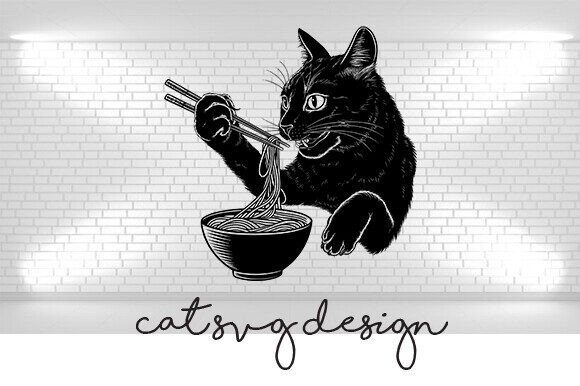
When I opened the Noodle Cat Shirt, Cat Sweatshirt, Ramen design, I didn’t just see a cat holding chopsticks—I felt the vibe. It’s got that warm, slightly cheeky charm that works equally well on a handmade baby onesie or a boutique sweatshirt for a ramen shop owner’s staff. The composition is compact but expressive: rounded cat head, simplified noodle swirls, subtle steam curls, and clean negative space around key features. No overcrowding. That’s huge—because in embroidery, breathing room isn’t decorative; it’s functional. This isn’t an applique design begging for layered fabric or complex trimming. It’s built for clarity at 3–4 inches wide, which makes it ideal for tote bag designs, pillow covers, and custom apparel where legibility matters more than fine detail.
A Real-World Test: Stitching It on a Linen Tea Towel
Last week, I used Noodle Cat Shirt, Cat Sweatshirt, Ramen on a natural linen tea towel for a local kitchenware pop-up. I chose medium-weight cutaway stabilizer, 40-weight rayon thread in soft charcoal and warm beige, and stitched at 3.8" wide. The result? Crisp satin stitch outlines on the cat’s ears, smooth fill stitch in the noodle bowl, and no puckering—even with linen’s slight slub texture. What stood out was how forgiving the vector shapes were: resizing down to 2.5" for a child’s apron didn’t collapse the steam lines or blur the whiskers. That’s not luck—it’s smart anchor placement and intentional simplification. Unlike some “cute cat” graphics that dissolve into mush when scaled, this one holds its personality across sizes.
Where It Shines (and Where to Pause)
- Custom apparel: Works beautifully on cotton-blend sweatshirts and structured t-shirts—especially with contrasting thread on dark fabric. The shape nests cleanly into standard hoop sizes without awkward repositioning.
- Embroidered patch: Clean outer edge and minimal interior detail mean it cuts and sews cleanly. Great for iron-on or sew-on patches on denim jackets or backpacks.
- Baby embroidery: Soft curves and no tiny eyes or text make it safe, sweet, and wash-durable—ideal for onesies or burp cloths.
- Holiday embroidery & personalized gifts: Fits right into cozy winter collections (think “Ramen & Relaxation” mugs + matching embroidered towels) or as a lighthearted gift for foodie friends.
- Craft business & Etsy seller use: The included EPS, SVG, PNG, and DXF files let you prep mockups fast, adapt for vinyl cutting, or drop into printable mockup templates—no extra digitizing needed.
Use With Care On…
Don’t assume this design auto-translates to every surface. On thin knit t-shirts or stretchy performance fabric, test stitch density first—the noodle swirls and cat’s fur texture rely on balanced fill stitch coverage. Too dense, and you’ll get stiffness; too light, and the shape loses definition. For caps or curved surfaces like bucket hats, consider simplifying the steam element or reducing overall width to avoid distortion near the seam. And while the design is 100% color changeable, avoid stacking more than three thread colors in tight areas—those little noodle loops can get crowded under dense satin stitch if over-digitized later.
What It Does for Your Finished Product
This isn’t just another digital embroidery file—it elevates perception. A customer seeing Noodle Cat Shirt, Cat Sweatshirt, Ramen on a handmade sweatshirt instantly reads “thoughtful,” “playful but polished,” and “made with intention.” That builds trust faster than generic clip art ever could. For small shop owners, it strengthens brand consistency without requiring custom illustration—just swap thread colors to match your palette. For Etsy sellers, it adds instant giftability: people buy it because it tells a story (noodle love + cat obsession), not just because it’s “cute.” And yes—it photographs well. No fuzzy edges, no lost details in natural light. That matters for listings, social posts, and craft fair signage.
Practical Embroidery Designer Notes
- Always test the Noodle Cat Shirt, Cat Sweatshirt, Ramen embroidery file on scrap fabric matching your final project—especially for textured or dark materials.
- Check thread color contrast early: what reads clearly on white may vanish on navy unless you adjust stitch density or add an underlay.
- Review small details at actual stitch size—zoom in on your embroidery software to inspect noodle ends and cat ear tips before sending to machine.
- Try a black-and-white mockup: if the silhouette holds up without color, you’ve got strong design bones.
- Use appropriate stabilizer—cutaway for knits, tear-away for stable wovens like tea towels or canvas totes.
- Confirm licensing terms before selling finished products or reselling the digital embroidery file itself. The listing says “100 Color Changeable” and “100 vector shapes resizable,” but commercial use rights aren’t stated—verify before scaling for your craft business.
- Remember: vector files (EPS/SVG/DXF) are great for resizing and adapting—but they’re not embroidery-ready by default. If you’re using this for machine embroidery, ensure your digitizer or software converts paths correctly for stitch types like satin or fill.
Final Thought: A Reliable, Character-Full Workhorse
I keep Noodle Cat Shirt, Cat Sweatshirt, Ramen in my go-to folder—not because it’s flashy, but because it’s dependable. It stitches cleanly, scales thoughtfully, and lands with warmth every time. Whether you’re prepping a batch of embroidered kitchen towels for a holiday market or building a cohesive line of ramen-themed apparel for your small shop, this design supports your craftsmanship instead of competing with it. In the world of Crafts and Graphics, that’s rare. And valuable.