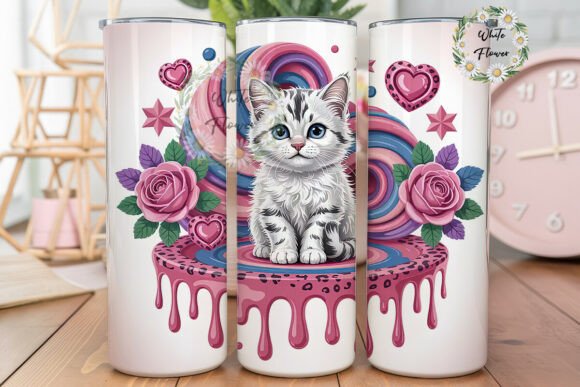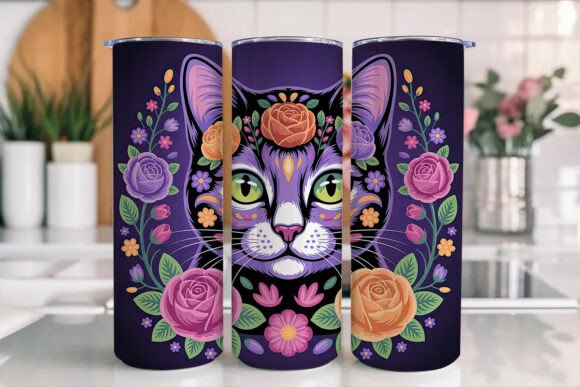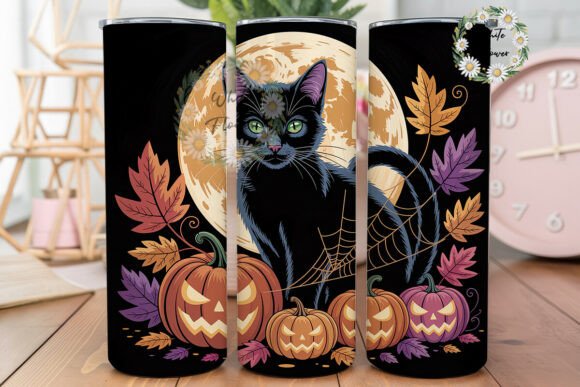
Cute Cat and Roses 20oz Tumbler Wrap
A Designer’s First Glance: Whimsy with Quiet Confidence
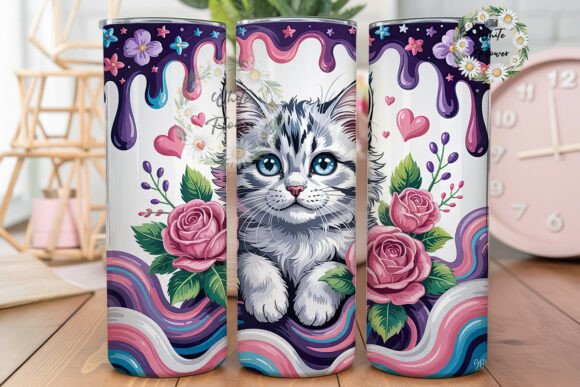
When Cute Cat and Roses 20oz Tumbler Wrap landed in my inbox, I didn’t open it for a quick scroll—I paused. Not because it’s flashy or oversized, but because the composition immediately signals intention: a soft-centered cat nestled among climbing roses, balanced but not symmetrical, gentle but not saccharine. It reads as handmade *before* it’s even stitched—like something you’d sketch in a quiet morning notebook, then translate into thread. As an embroidery designer who’s reviewed hundreds of digital embroidery files, I appreciate how rare it is for a design to feel both approachable and intentional at first glance. This one does.
Where It Lives Best: Real Projects, Real People
Last week, I used Cute Cat and Roses 20oz Tumbler Wrap as the focal point for a small-batch run of linen tea towels for a local boutique. We paired it with pale sage thread on natural off-white fabric—no backing, no flash, just clean satin stitch petals and subtle fill-stitch fur. Customers responded instantly: “It feels like a gift,” one said. “Like someone took time.” That’s the quiet strength of this design—it doesn’t shout; it invites. It works beautifully on sweatshirt embroidery (especially raglan sleeves), embroidered patches for denim jackets, baby onesies where softness matters more than sharpness, and pillow covers where floral + feline charm lands without cliché.
What You’ll Notice After Stitching—Not Just Before
The two-file format—straight and tapered—is a thoughtful nod to real-world application. The straight version holds its shape perfectly on flat surfaces like tote bag fronts or apron pockets. The tapered version? That’s the one I reached for when embroidering curved kitchen towel hems and tapered tumbler sleeves—no distortion, no awkward stretching at the edges. Because the design isn’t seamless, I didn’t try to tile it across large panels—but that’s fine. Its charm lies in singular focus, not repetition. And yes—it’s truly free of watermark, which matters deeply when prepping digital embroidery files for client work or Etsy listings.
Where Caution Fits Naturally
This isn’t a “throw-it-on-anything” design—and that’s a good thing. On highly textured fabrics like bouclé or thick terry cloth, the finer rose details can soften too much. On stretchy knits (think lightweight tees), stabilizer choice becomes non-negotiable—I recommend cutaway + topping for crisp petal definition. And while the 300 DPI resolution ensures clarity for printable mockups and digital previews, remember: high-res doesn’t auto-translate to low-stitch-density. In dense fill areas (like the cat’s chest or rose centers), test stitch density on scrap fabric first. Over-stuffing those zones can cause puckering, especially on thin cotton or rayon blends.
How It Shapes Perception—Before & After the Hoop
For craft business owners and Etsy sellers, perception is product. Cute Cat and Roses 20oz Tumbler Wrap elevates handmade presentation not through complexity, but through cohesion: the curve of a rose stem echoes the cat’s ear; the spacing gives breathing room, not emptiness. That translates directly to customer trust—when buyers see consistent, considered detail in your embroidered patch or custom apparel, they assume the same care went into construction, packaging, and service. It also strengthens brand consistency for boutiques or small shops using embroidery as part of their visual language: think matching nursery decor sets (pillow + blanket + onesie) or holiday embroidery bundles (tea towel + oven mitt + apron).
Practical Notes from My Embroidery Bench
- Always test on scrap fabric first—especially if stitching on dark fabric. Some rose tones read differently in thread vs. screen, and contrast shifts matter.
- Check thread color harmony before committing. Soft peach or dusty mauve threads lift the roses without competing; charcoal gray or warm black keeps the cat grounded without harshness.
- Review hoop size compatibility. While the design scales cleanly, very small hoops (under 4”) may require simplifying outer petals or adjusting placement—don’t force it into tight corners.
- Use proper stabilizer: medium-weight cutaway for stable wovens; tear-away + topping for delicate linens or baby items.
- Confirm licensing before selling finished products or bundling the file with other design assets. Since it’s listed under Graphics, clarify commercial use rights with the seller—this affects your craft business, not just your personal projects.
- Test black-and-white mockups. If it reads clearly in monochrome, it’ll hold up across fabric colors and lighting conditions—critical for online listings.
Final Thought: Charm With Craftsmanship
Cute Cat and Roses 20oz Tumbler Wrap won’t dominate a trade show booth. But it will make someone pause at your craft fair table, smile while unboxing a personalized gift, or linger over your Etsy listing just a second longer. That’s the power of a well-judged machine embroidery design—not volume, but resonance. It fits naturally into the rhythm of real embroidery projects: calm enough for baby embroidery, detailed enough for custom apparel, versatile enough for holiday embroidery or boutique branding. And because it’s designed to wrap—not repeat, not overwhelm—it reminds us that sometimes, the most effective design asset is the one that knows exactly where it belongs.