Cat Garden Flag Sublimation Design F2
First Impressions: Whimsy with Purpose
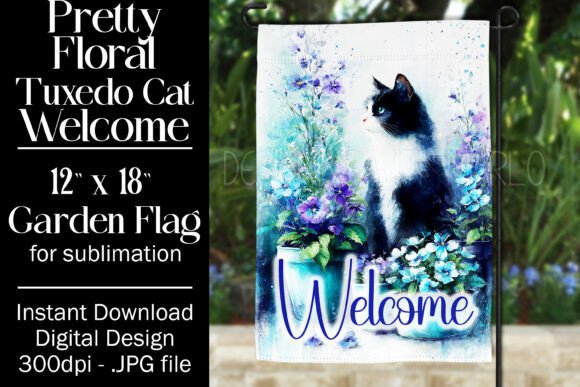
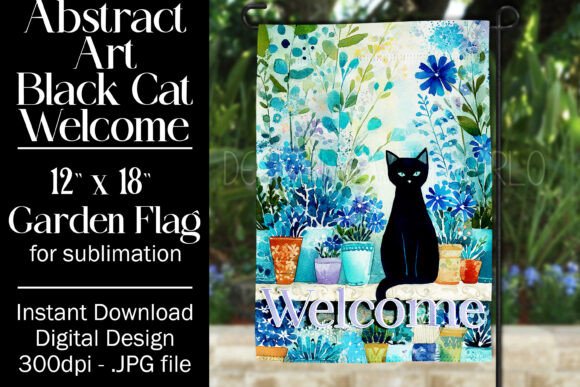
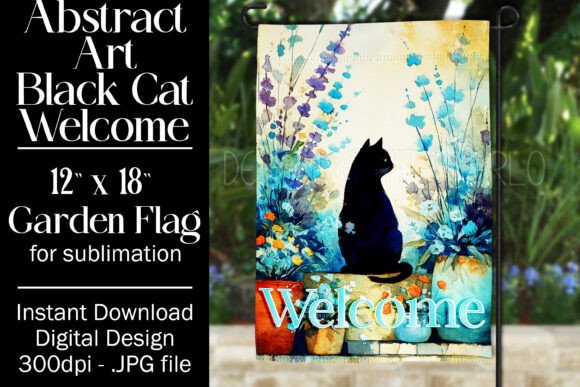
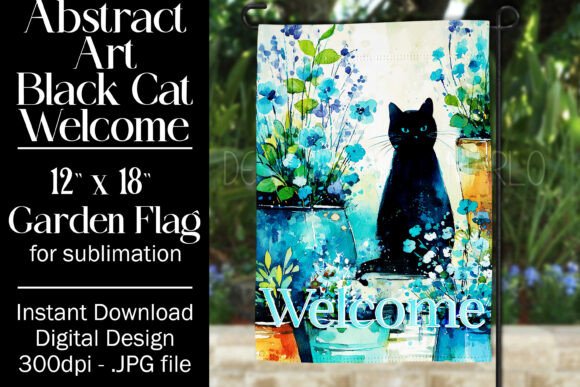
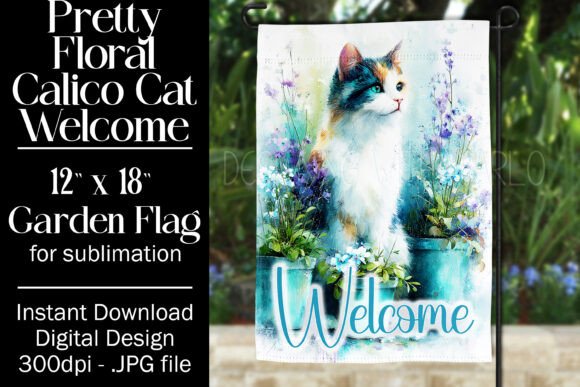
When I opened Cat Garden Flag Sublimation Design F2, what struck me wasn’t just the calico cat—it was how the abstraction works. It’s not a literal pet portrait, but a stylized, balanced composition: the cat’s silhouette anchors the left, while three flower pots arc gently to the right like a quiet garden stroll. The shapes are clean but expressive—rounded ears, soft curves in the tail, and simplified florals that suggest variety without visual clutter. As a designer who’s stitched hundreds of motifs for real clients, I immediately saw its potential beyond sublimation: this isn’t just a flag graphic. It’s a design asset with embroidery-friendly rhythm.
A Real-World Test: Turning It Into a Handmade Tote Bag
Last week, I prepped Cat Garden Flag Sublimation Design F2 for a custom embroidered tote bag order—a boutique client wanted something cheerful but not cutesy for her spring collection. I resized it to fit a 5×7 hoop (centered on the front panel), adjusted stitch density to avoid stiffness on medium-weight canvas, and chose muted sage green and terracotta thread colors to echo the floral pots. The result? A tactile, grounded piece—soft satin stitches for the cat’s outline, gentle fill stitches for petals, and subtle running stitch vines that added movement without overwhelming the fabric. Customers responded to the “handmade warmth” of it—not because it looked perfect, but because it felt intentional.
Where This Design Shines (and Where It Needs Thought)
Cat Garden Flag Sublimation Design F2 excels in projects where charm meets clarity:
- Embroidered tote bags and aprons: Its horizontal flow fits well across wide, flat surfaces—and the abstract nature holds up even at 4–6 inches tall.
- Baby items and nursery decor: No sharp edges or fussy details means it stitches cleanly on lightweight cotton and stays soft against delicate skin.
- Patches and pillow covers: The clear negative space around the cat and pots makes it easy to cut and appliqué, especially when using a simple satin-stitched border.
- Holiday or gift-ready products: It reads as gentle, timeless—not seasonal—so it sells year-round for birthdays, housewarmings, or new-parent gifts.
But let’s be practical: this isn’t a one-size-fits-all embroidery file. Avoid it on:
- Small hoops under 4×4—key details like the flower pot handles or cat’s ear contour will lose definition.
- Highly textured fabrics (like bouclé or heavy burlap) where fine fill stitches may snag or disappear.
- Stretchy knits without proper stabilizer—those gentle curves can distort if the base fabric shifts mid-stitch.
- Dark or black garments unless you test thread contrast first; light-colored florals need careful color pairing to stay legible.
Design Integrity in Practice
What makes Cat Garden Flag Sublimation Design F2 stand out among digital embroidery files is its visual breathing room. Unlike overcrowded “cottagecore” graphics, it doesn’t rely on dense fill stitches to feel complete. That means less thread consumption, faster stitching time, and fewer tension issues—critical for craft businesses turning around 10+ custom orders weekly. I’ve seen too many Etsy sellers overestimate complexity and end up with stiff, bulky results. This design avoids that trap. Its balance supports brand consistency, whether you’re selling embroidered tea towels under your own label or offering personalized sweatshirt embroidery for local schools.
Stitching Clarity ≠ Visual Simplicity
Don’t mistake abstraction for low effort. The cat’s posture and the tilt of the flower pots create subtle directionality—guiding the eye left to right like a quiet narrative. That matters for product photography and mockups. When I dropped Cat Garden Flag Sublimation Design F2 into a printable mockup for an Etsy listing, it held attention longer than busier alternatives. Buyers scrolled past flashier designs but paused here—likely because it felt *designed*, not assembled.
Practical Notes Every Embroidery Designer Should Check
Before cutting thread or uploading to your machine:
- Test on scrap fabric first—especially if using it on baby clothes or kitchen towels that’ll face frequent washing.
- Review stitch density. If your version includes dense fill areas in the pots, consider reducing density by 10–15% for softer drape on apparel.
- Confirm hoop size compatibility. While it scales well, extreme resizing (below 3.5" wide or above 8") may require re-digitizing for clean satin edges.
- Inspect small details in your embroidery software: check that petal outlines and pot rims are stitchable at your chosen size—not just visible on screen.
- Try black-and-white and grayscale mockups to assess contrast on light vs. dark backgrounds—this helps choose thread colors that support recognition, not just aesthetics.
- Use appropriate stabilizer: medium tear-away for stable wovens, cut-away for knits or lightweight linens.
- Verify licensing before selling finished products or bundling it into digital embroidery kits—since it’s listed under Graphics and Crafts, confirm commercial use rights directly with the source.
Final Thought: A Quiet Workhorse, Not a Flashy Gimmick
Cat Garden Flag Sublimation Design F2 won’t shout from a craft fair table—but it will earn repeat customers. It’s the kind of embroidery file that builds trust: clean execution, thoughtful spacing, and a mood that feels handmade without looking amateurish. Whether you’re an Etsy seller curating a cohesive line of botanical-themed goods, a small shop owner embroidering staff aprons, or a hobbyist making personalized gifts, this design earns its place in your library not because it’s trendy, but because it *works*. And in the world of embroidery projects—where time, thread, and customer expectations all count—that’s the highest compliment a designer can give.