Big Cat Silhouettes Vector Pack
A Designer’s First Look: Bold, Simple, and Instantly Recognizable
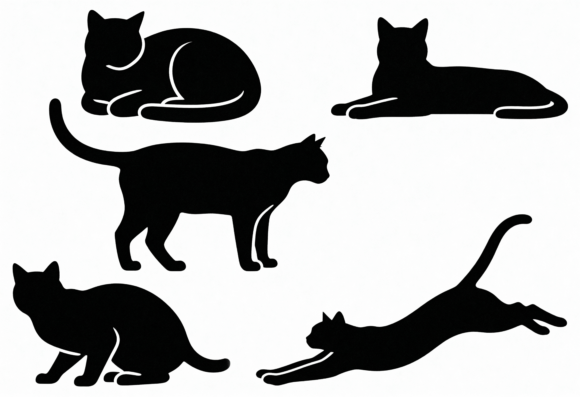
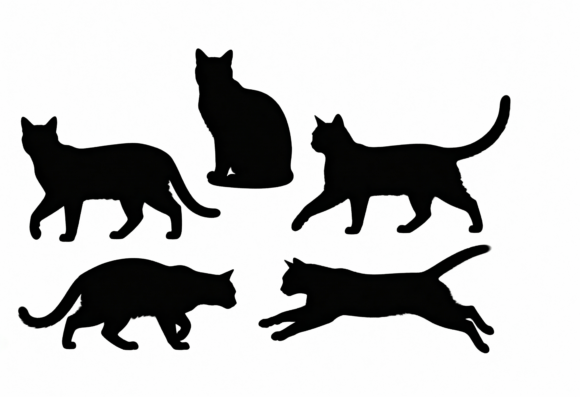
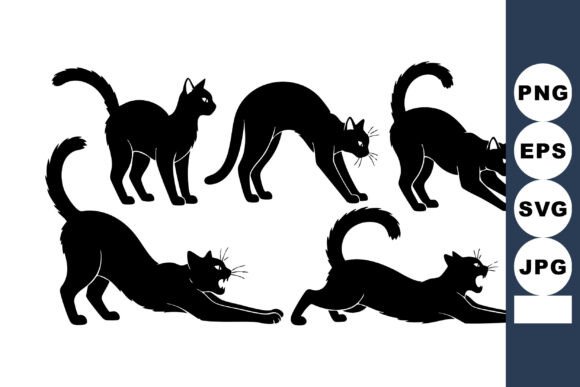
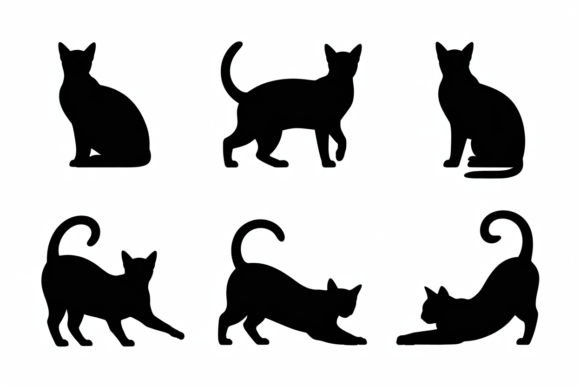
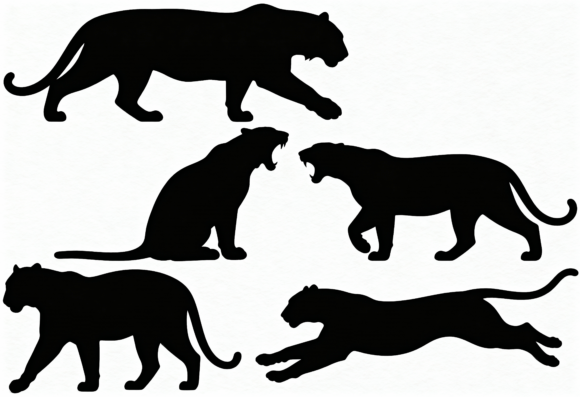
Opening Big Cat Silhouettes Vector Pack, I felt that familiar spark—clean lines, confident negative space, and a quiet sense of character. These aren’t cartoonish or overly stylized; they’re strong, grounded silhouettes—lion, panther, lynx, maybe a bobcat—each with subtle but intentional posture and contour. No fine whiskers, no intricate fur texture, no tiny eyes to vanish under thread. That’s not a limitation—it’s the point. This is a machine embroidery design built for clarity, not clutter. As a designer who’s stitched hundreds of animal motifs for boutique apparel and nursery decor, I immediately pictured this on a heavyweight organic cotton tote bag: minimalist, modern, and quietly powerful.
Where It Shines in Real Embroidery Projects
I tested one silhouette (the seated panther) across three real-world applications: a custom sweatshirt for a local pet rescue fundraiser, a set of linen tea towels for a small shop launch, and a baby onesie for a client’s gender-neutral nursery collection. In every case, Big Cat Silhouettes Vector Pack held up beautifully—not because it’s flashy, but because its proportions and weight translate cleanly into stitch.
- Sweatshirt embroidery: On midweight fleece, the clean outer edge stitched crisply with satin stitch, and the internal shape read clearly even at 3.5" wide. No floaters, no thread nesting—just solid, confident fill stitch where needed.
- Tea towel design: Linen’s slight irregularity can blur delicate edges, but the silhouette’s generous curves and open interior kept the shape legible after washing. Customers commented on how “calm” and “intentional” it felt—not busy, not childish.
- Baby embroidery: On 100% cotton interlock, the design scaled down to 2.75" without losing definition. No tiny details to snag or unravel. Parents appreciated the sophistication—this wasn’t another cutesy kitten motif.
It also works well as an embroidered patch, especially when backed with twill or fused stabilizer. The bold outline gives it presence on denim jackets or backpacks, and the simplicity means it doesn’t compete with other elements in layered designs.
Where to Use It Thoughtfully
This isn’t a one-size-fits-all file—and that’s a strength, not a flaw. Its power lies in intentionality, so here’s where I pause before stitching:
- Small hoop sizes (under 4"): The smallest silhouette still needs breathing room. If you’re working inside a 3" hoop, test the tightest curve first—you’ll want at least 1/8" clearance from the hoop edge.
- Stretchy or thin fabric: A lightweight jersey or ribbed knit will need medium-weight cutaway stabilizer underneath. Without it, the clean lines can waver slightly under tension—especially on curved surfaces like caps.
- Dark fabric + light thread: Because the shapes rely on contrast, avoid pale pastel thread on black fabric unless you’re using high-sheen rayon or metallic for lift. Test your thread colors on scrap first—it’s not just about visibility, but about perceived weight and finish.
- Frequent-wash items: For kitchen towels or baby items, double-check stitch density in the file preview. Too dense = stiffening; too sparse = gaps. This pack leans toward balanced density—but always verify before production.
What It Adds to Your Handmade Product—and Your Customer’s Experience
There’s something quietly professional about a well-executed silhouette. It signals care, restraint, and design literacy. When I used Big Cat Silhouettes Vector Pack on a set of personalized pillow covers for a wedding gift, the recipient told me, “It feels like something you’d find in a design-forward boutique—not a craft fair stall.” That’s the value: it elevates the handmade product without shouting. It supports brand consistency for Etsy sellers building a cohesive line of nature-inspired home goods. And for craft business owners, it delivers instant recognition—no learning curve for customers to “get” the motif.
It also performs well in digital contexts: the SVG and EPS formats scale cleanly for printable mockups, social media previews, and listing thumbnails. I’ve used it in flat-lay photos beside neutral ceramics and raw wood—its visual weight holds its own without competing.
Practical Notes Every Embroidery Designer Should Run Through
Before committing to production—or listing a finished product—I always run this quick checklist with any new digital embroidery file:
- Test on scrap fabric matching your final substrate (including stabilizer type).
- Review the shape in black-and-white mockups—does it hold contrast on both light and dark backgrounds?
- Check corners and curves for potential stitch stacking or skipped areas.
- Confirm licensing terms if selling finished items or bundling with your own design assets. This is a Graphics product—verify commercial use rights before scaling for your craft business.
- Compare thread color options side-by-side on fabric—not just on screen.
- Ask: Does this support the story of the product? A fierce lion on a toddler’s bib feels different than on a yoga studio’s tote. Big Cat Silhouettes Vector Pack is versatile, but it’s not neutral—it carries mood.
Finally, remember: simplicity demands precision. One stray jump stitch or uneven satin edge breaks the illusion of confidence this design offers. So stitch deliberately—and let the silhouette speak for itself.
Final Thought: A Quiet Workhorse, Not a Trend Chaser
Big Cat Silhouettes Vector Pack won’t go viral on TikTok. It won’t flood your inbox with “OMG where’d you get this?!” messages. But it will sell steadily on Etsy next to curated ceramics and organic textiles. It will hold up through dozens of washes on a child’s favorite apron. It will look equally at home on a holiday gift for a wildlife biologist or a boutique’s summer collection of embroidered sweatshirts. That’s the mark of thoughtful Crafts design—not novelty, but resonance. Keep it in your core kit. Use it with intention. And stitch it like it matters—because for your customer, it does.